Small Pet, Big Personality
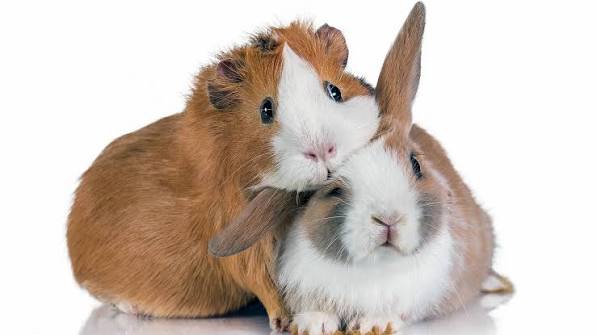
Rabbits and guinea pigs may be small,but their needs — and their personalities — are much bigger than many peoplerealise.
For generations, rabbits and guinea pigswere thought of as easy “starter pets”: give them a hutch, a bowl of food andthe occasional cuddle and they were good to go.
Thankfully, we now know there is much moreto keeping these clever, social little animals happy and healthy.
They need space to move, opportunities to forage and explore, appropriate companionship, places to hide and a dietdesigned for their species.
Get those basics right and you'll also discover something else: just how much personality can fit inside such a smallanimal.
More Than a Hutch
Imagine spending almost your entire life inside your bedroom.
Even if it was a lovely bedroom, you'd eventually want to get out.
Traditional small hutches can severely limit an animal's ability to perform normal behaviours. Rabbits need enoughroom to hop, stretch, stand upright, explore and exercise, while guinea pigs’benefit from plenty of usable floor space to move around and investigate.
A secure, appropriately sized living area with sheltered sleeping spaces and a larger exercise area creates a much moreinteresting environment.
Outdoor housing also needs protection from weather, predators and temperature extremes.
Australian summers deserve particular attention. Rabbits and guinea pigs can be vulnerable to heat, so theiraccommodation needs to remain cool, shaded and well ventilated, with constantaccess to fresh water.
Hay Isn't Just Bedding
One of the biggest misunderstandings about rabbits and guinea pigs is the role of hay.
Appropriate grass hay isn't simply something to sleep on. It should form a major part of their diet and be readilyavailable.
Chewing fibrous food also plays an important role in normal digestive function and dental wear.
Fresh leafy greens and other suitable foods can add variety, while an appropriate species-specific pellet may form anotherpart of the diet.
There are important differences between rabbits and guinea pigs, however. Guinea pigs, for example, require a dietarysource of vitamin C because they cannot produce their own.
Not sure which hay, pellets or fresh foods are best for your little companion? The pet experts at your local Just For Petsstore can help you explore suitable feeding options and understand thenutritional differences between species.
Life Is Better with Things to Do
Enrichment doesn't need to be complicated.
Cardboard tunnels, hide aways, hay-filled boxes, safe chew items and opportunities to forage can all make the environment more interesting.
Instead of always placing food in exactlythe same spot, encourage natural searching behaviour by offering suitable foodin different safe locations.
You can stuff hay into appropriate feeding toys, create cardboard hideouts or rearrange parts of the enclosureoccasionally.
Just make sure anything provided is safe to chew, because there's an excellent chance it will be tested with teeth.
Even something as simple as introducing a new tunnel or changing the arrangement of familiar toys can encouragecuriosity. Watch how your pets respond and discover which activities they enjoymost. Some love exploring, while others are happiest investigating a fresh pileof hay or relaxing in a favourite hideaway.
The Social Side of Small Pets
Rabbits and guinea pigs are social animals,but that doesn't mean you should simply put unfamiliar animals together and hope they'll become friends.
Compatibility matters, as does sex, desexing status, appropriate introductions and having enough space and resources.
And while rabbits and guinea pigs have sometimes traditionally been housed together, they are different species withdifferent communication, dietary and social needs. Companionship from anappropriate member of their own species is generally preferable.
Seek experienced advice before introducingnew animals.
Learn Their Language
Small animals communicate more than you might think.
Guinea pigs can produce an impressive collection of squeaks, whistles and rumbles — and many quickly learn that thesound of the refrigerator opening may mean food.
Rabbits communicate heavily through posture and movement.
A relaxed rabbit may dramatically flop on toits side, while an excited rabbit can leap and twist through the air in what'scommonly called a “binky”.
A rabbit thumping a hind foot, on the other hand, may be alarmed or warning of perceived danger.
Spend time quietly observing and you'll soon begin recognising your own pets' routines and personalities.
Don't Forget the Teeth
Rabbit and guinea pig teeth continue growing throughout life.
Appropriate nutrition and plenty ofsuitable fibrous food are therefore particularly important.
Drooling, difficulty eating, dropping food,reduced appetite, weight loss or changes in food preferences can indicate aproblem requiring prompt veterinary attention.
Small animals can also hide illness remarkably well, so changes in normal eating, drinking, toileting or behaviourshould never be ignored.
Handle With Care
Small doesn't mean indestructible.
Rabbits have powerful hind legs and relatively delicate skeletons, so inappropriate handling can cause injury.
Many small pets also prefer interaction at ground level rather than repeatedly being picked up and carried.
Sit quietly with them.
Offer suitable food by hand.
Let them investigate you.
You might find that allowing a small pet to choose to interact creates a much more rewarding relationship than constantlyreaching in to pick them up.
Building trust takes patience, particularly with shy animals. Gentle voices, predictable routines and positive interactionscan help them feel secure. Over time, even the timidest little companion maybecome confident enough to approach you for attention or a favourite treat.
Small Pet, Big Upgrade
Could your rabbit or guinea pig's home usean update?
Take a look through their eyes:
✓ Is there enough room to exercise properly?
✓ Is appropriate hay always available?
✓ Do they have somewhere safe to hide?
✓ Can they forage and explore?
✓ Do they have suitable things to chew?
✓ Is their environment protected from heat and weather?
✓ Are food and water containers clean?
✓ Do you know what's normal for your pet?
Sometimes the biggest improvement to a small pet's life isn't a bigger food bowl.
It's a bigger world.
Need some inspiration? Drop into your local independently owned Just For Pets store and chat with the team about housing, nutrition, toys and enrichment ideas to helpyour small pets live their happiest, healthiest lives.