Keeping Horses Happy from the Ground Up
Healthy hooves, plenty of movement, good forage, friends and freedom to behave like a horse — sometimes the foundationsof good horse care are the simplest things.
There's an old saying: “No hoof, no horse.”
It's a useful reminder of just how important four relatively small structures are to an animal that may weigh 500 kilograms or more.
But good horse management doesn't stop atthe hoof.
Move upwards and everything is connected feet, movement, body condition, nutrition, teeth, skin, coat and evenbehaviour.
That's why sometimes the best way to think about horse wellbeing is literally from the ground up.
Start With the Feet
A horse's hooves grow continuously and need regular attention.
Exactly how often trimming or shoeing is required depends on the individual horse, its workload, hoof growth,environment and whether it is shod or barefoot.
Regular care from a suitably qualified Farrieror hoof-care professional allows issues to be identified before they become bigger problems.
But hoof care also happens between visits.
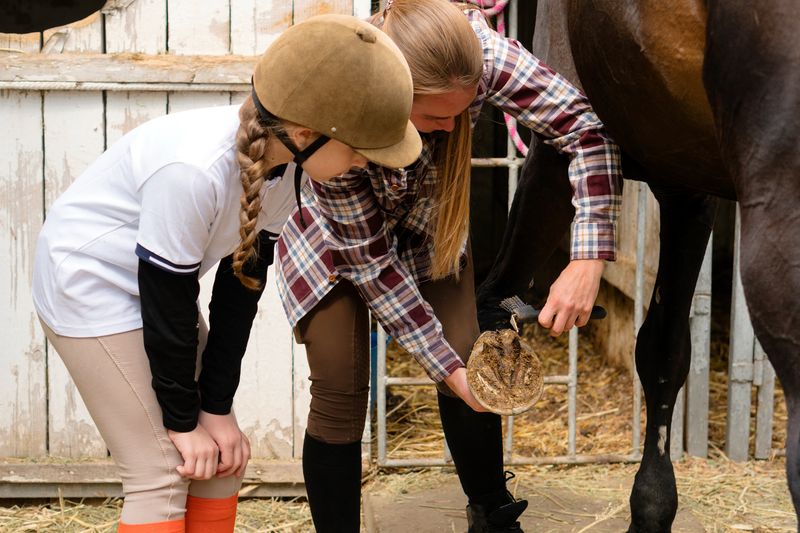
Get into the habit of picking out your horse's feet and looking at them.
You're not trying to become a farrier overnight. You're learning what's normal for your horse.
Look for stones and packed debris, check for damage and notice changes in smell, heat, sensitivity or the way your horseis standing and moving.
If something suddenly looks or feels different — particularly if the horse is lame — don't wait for the next routineappointment. Seek professional advice.
Movement Is Part of Horse Life
Horses evolved to move.
Given the opportunity, they may spend a substantial part of their day walking as they graze, drink and interact withother horses.
Our management systems can sometimes change that dramatically.
A horse kept in a small area with food,water and shelter only a few steps apart has very little reason to move.
Where appropriate, consider how the environment can encourage natural movement.
Turnout, paddock design and the positioning of resources can all influence how much a horse travels during the day.
Formal exercise is valuable, but it isn't necessarily a complete substitute for opportunities to move freely.
Forage First
A horse's digestive system is designed around consuming fibrous plant material over extended periods.
Forage therefore sits at the foundation of most horse diets.
Pasture and appropriate hay can provide that fibre, with additional feeds and supplements used where necessary to meetthe needs of the individual horse.
But there's no single perfect menu forevery horse.
A retired pony with a tendency to gain weight has very different nutritional requirements from a horse in heavy work,a growing youngster or a lactating mare.
Pasture quality changes too.
Season, rainfall, plant species and stage of growth can all affect what the paddock is providing.
Rather than feeding purely by habit,consider the horse in front of you.
Learn To See Past the Fluff
Is your horse the right weight?
That's sometimes harder to answer than itsounds.
A thick winter coat can disguise body condition, while owners who see their horse every day may not notice gradual weight gain or loss.
Body condition scoring provides a more objective way to assess fat coverage at particular areas of the body.
Regular photographs taken from similar angles can also help you spot gradual changes.
If you're unsure whether your horse's weight is appropriate, ask your veterinarian or a qualified equine nutrition professional.
Obesity isn't simply a cosmetic issue, andunexplained weight loss deserves investigation too.
Paws Tip
Don't let the feed scoop make all thedecisions.
Different feeds have different weights and densities. A “scoop” is a measure of volume, not weight.
Know how much your scoop actually holds ofthe feed you're using and follow feeding recommendations by weight where appropriate.
Water: The Most Important Nutrient
It isn't exciting.
It doesn't come in a colourful bag.
But water is fundamental.
Horses need continuous access to clean,fresh drinking water, and requirements can increase considerably with hot weather, exercise, lactation and dry diets.
Check troughs and containers every day.
Automatic systems are convenient but still need inspection. A malfunctioning float valve isn't much help to a thirstyhorse.
Clean water containers regularly and become familiar with your horse's usual drinking habits.
A significant change in water intake can beworth investigating.
Salt And Sweat
Sweating helps horses regulate body temperature but sweat contains water and electrolytes.
How much a horse loses depends on conditions and workload.
A horse undertaking strenuous work in hot weather has very different requirements from one quietly grazing.
Salt and electrolyte needs should thereforebe considered as part of the overall diet and workload rather than assumingevery horse requires the same supplementation.
If your horse works heavily, travelsregularly or sweats significantly, seek appropriate nutritional or veterinary advice about its individual requirements.
Don't Forget What's Happening Inside the Mouth
Horses' teeth change throughout their lives, and dental problems can interfere with their ability to chew comfortablyand efficiently.
Signs of possible dental trouble caninclude dropping partially chewed food, difficulty eating, unexplained weightloss, bad breath or changes in behaviour when ridden.
Some horses show few obvious signs.
Routine dental assessment by anappropriately qualified professional should form part of preventative healthcare, with frequency based on the individual horse's needs.
Grooming Is More Than Making Them Shiny
Few things are as satisfying as standing back after grooming a horse and watching them immediately roll in the dirtiest patch of the paddock.
But grooming isn't only about appearance.
Running your hands and brushes over your horse gives you an opportunity to find things you might otherwise miss.
· Small cuts.
· Swelling.
· Heat.
· Ticks.
· Skin irritation.
· Tender areas.
· Changes in muscle condition.
· A new lump that definitelywasn't there last week.
Regular grooming teaches you what yourhorse normally feels like, which makes abnormalities easier to notice.
Horses Need Other Horses
We love our horses.
Unfortunately, that doesn't make us horses.
Horses are social animals and interaction with other horses is an important consideration when designing their livingenvironment.
The exact arrangement will depend on the individuals involved. Not every horse can simply be turned into any group, andintroductions need to be managed carefully.
But where direct turnout together isn't suitable, opportunities for safe visual, auditory and other appropriate socialcontact may still be valuable.
Watch horses living socially and you'll see just how much communication takes place: mutual grooming, resting near oneanother, moving together and subtle changes in posture that another horseunderstands instantly.
Let A Horse Be a Horse
Sometimes enrichment for horses gets overcomplicated.
Before thinking about special toys and activities, look at whether the horse has opportunities to perform fundamentalbehaviours.
· Can they forage?
· Can they move?
· Can they interact appropriately with other horses?
· Can they roll?
· Do they have somewhere comfortable to rest?
· Can they seek shelter from sun,rain and wind?
· Do they have choices within their environment?
Commercial enrichment products and other activities can certainly add interest for some horses, particularly wheremanagement necessarily restricts natural opportunities.
But enrichment begins with meeting behavioural needs, not simply hanging an object in the stable.
The Summer Check
As the weather heats up, shade and water become particularly important.
If your horse lives outdoors, look at where shade falls throughout the day rather than assuming a single tree provides adequate cover.
Work may need to be scheduled for cooler times, particularly during very hot or humid conditions.
Pay attention to recovery after exerciseand know your horse's normal response to work.
Heavy or prolonged breathing, weakness,unusual behaviour or failure to recover normally warrants attention.
If you're concerned about heat stress or illness, seek veterinary advice.
The Little Changes Matter
Good horse care isn't always about dramatic interventions.
Often, it's the ordinary things, done consistently.
· Picking out feet.
· Cleaning the trough.
· Noticing that a horse left some breakfast.
· Checking body condition.
· Maintaining teeth and hooves.
· Watching how they move.
· Providing forage.
· Allowing appropriate social contact.
· Standing in the paddock for afew minutes and simply observing.
None of those things sounds particularly revolutionary.
Together, however, they tell you anenormous amount about the animal in your care.
And perhaps that's what “from the groundup” really means.
Not looking at hooves, diet, exercise and behaviour as completely separate subjects, but recognising that they're allpieces of the same horse.
The 60-Second Horse Check
Before you head out of the paddock, takeone minute to really look at your horse.
Eyes & Expression
Bright and behaving normally?
Legs
Any new swelling, cuts or heat?
Feet
Anything unusual when you pick them out?
Movement
Walking freely and evenly?
Body
Any new wounds, rubs, lumps or sore areas?
Appetite
Eating normally?
Water
Drinking, and is the water supply working?
Manure
Does it look normal for your horse?
Behaviour
Are they acting like themselves?
You don't need to find something wrong every day.
The value is in learning exactly what normal looks like.
When “Not Quite Right” Matters
Horse owners often know something has changed before they can explain exactly what it is.
Maybe your normally enthusiastic eater isn't interested in dinner. Perhaps they're quieter than usual, repeatedly looking at their flank, pawing, lying down more frequently or simply standing differently.
Don't ignore that instinct.
Changes in appetite, manure production,behaviour or movement can be important. Colic and other illnesses can become serious quickly.
If your horse appears unwell, is showing signs of pain or you're concerned by a sudden change, contact your veterinarian.
Knowing your horse's normal behaviour is one of the most useful tools you have.