The Summer Survival Guide for Dogs
Beach trips, backyard adventures andlong summer evenings are better with your best mate beside you. Here's how tohelp keep them comfortable when the temperature rises.
Australian summers and dogs can be abrilliant combination. Early morning walks, camping trips, weekends by thewater and evenings spent outside together are some of the best parts of theseason.
But dogs experience heat differently fromus, and summer brings a few extra responsibilities for owners.
A little preparation can help makewarm-weather adventures safer and more enjoyable for everyone.
Hot Dogs Cool Differently
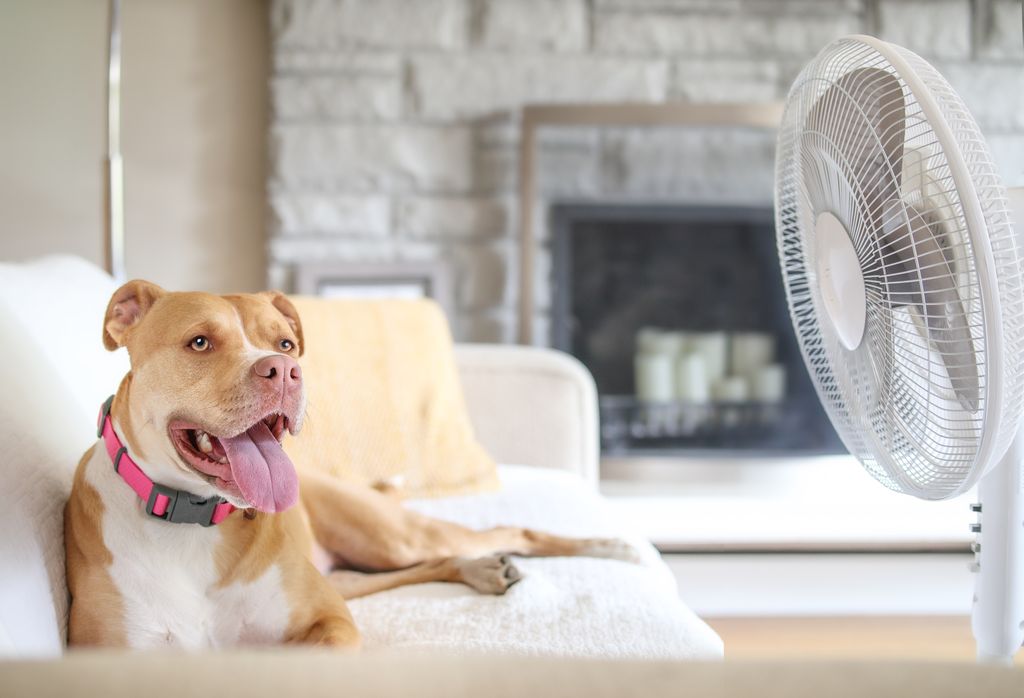
We can sweat across much of our skin. Dogscan't cool themselves as efficiently this way and rely heavily on panting,along with some heat loss through areas such as their paw pads.
That's why access to shade, fresh drinkingwater and somewhere cool to rest becomes especially important during warmweather.
Exercise may also need to move to thecooler parts of the day.
Instead of the usual lunchtime adventure,consider an early morning or evening walk when conditions are more comfortable.
Some dogs require particular care in hotweather, including flat-faced breeds, puppies, seniors, overweight dogs,heavily coated dogs and those with certain health conditions.
Watch For Heat Stress
Signs can include excessive or distressedpanting, drooling, weakness, confusion, vomiting, collapse or changes in gumcolour.
Heatstroke is an emergency. If you suspectyour dog is suffering from heatstroke, seek urgent veterinary assistance.
Think About the Ground
Here's one summer hazard that's easy tooverlook: the ground beneath your feet.
Pavement, concrete and other surfacesexposed to direct sunlight can become very hot.
Before heading out, check conditions ratherthan assuming the air temperature tells the whole story.
Where possible, choose cooler times of day,shaded paths or grass, and be mindful that surfaces can retain heat even afterthe strongest sunshine has passed.
Water, Water Everywhere
Fresh drinking water should always bereadily available, and summer is a good time to think about how easily your dogcan access it.
At home, consider having more than onewater bowl, particularly if your dog moves between indoor and outdoor areas.
Heading out? Pack drinking water and aportable bowl rather than relying on finding water along the way.
If you're travelling, schedule regularopportunities for your dog to drink and take a break.
And remember that swimming water isn'tnecessarily drinking water. Seawater shouldn’t be relied upon for hydration.
Making A Splash
Some dogs seem convinced they were born toswim.
Others take one look at the water and voteno.
Never assume your dog can swim confidentlyjust because they're a dog. Ability, confidence and stamina vary considerably.
Introduce water gradually and allow yourdog to choose whether they want to enter. Never force or throw a dog intowater.
For boating, paddleboarding or otheractivities around deeper water, an appropriately fitted canine life jacket canprovide additional security, particularly one with a sturdy handle that canassist you in helping your dog from the water.
Be aware of currents, waves, underwaterhazards and water quality, and supervise your dog around pools and naturalwaterways.
After swimming in salt water, sand orchlorinated pools, rinsing your dog with fresh water may also help removeresidue from the coat and skin.
Create A Cool Zone at Home
Your backyard may look shady at 8am but becompletely exposed by 2pm.
Check where shade falls throughout the dayand make sure outdoor dogs have access to an appropriately cool,well-ventilated area.
Cooling mats, elevated beds and othercooling products may provide additional comfort for some dogs when usedappropriately, but they don't replace access to shade, drinking water and asuitable environment.
Indoors, your dog may naturally seek outtiled floors, air-conditioned rooms or other cooler areas.
Give them the freedom to move somewherecomfortable whenever possible.
Paws Tip
Refresh the bowl. Keep drinking water clean, fresh and accessible, and check outdoorbowls regularly. They can become surprisingly warm sitting outside.
Summer Grooming: Should You Shave ThatCoat?
It might seem logical that removing a thickcoat would automatically make a dog cooler, but the answer isn't always thatsimple.
Different coat types behave differently,and some dogs have double coats that shouldn't simply be shaved for summerwithout good reason.
Regular grooming can help remove loosecoat, prevent matting and keep skin and coat in good condition.
If you're considering a dramatic summerhaircut, speak to a professional groomer about what's appropriate for yourdog's particular coat.
Parasites Don't Take a Summer Holiday
Warm weather often means more time outside— visiting parks, exploring bushland, travelling and socialising with otheranimals.
It's a good reminder to check whether yourdog's parasite prevention is appropriate and up to date.
The parasites of concern and suitablepreventative approach can vary depending on where you live, where you traveland your individual dog.
Your Just For Pets Pet Expert can adviseyou about the risks relevant to your area and pet.
While you're at it, make a habit ofchecking your dog after outdoor adventures. Run your hands over their body,look between the toes and inspect areas such as around the ears and collar.
Pack For the Dog Too
Heading away for a summer road trip?
Your dog needs a packing list of their own.
Think about drinking water, food, bowls,bedding, lead and harness, waste bags, grooming supplies, medications, parasiteprotection and any appropriate cooling or safety equipment needed for yourplans.
It is also worth having your dog'sidentification and microchip details up to date before travelling.
If you're staying away from home, check petrules and nearby veterinary services before you leave rather than trying towork everything out during an emergency.
Never Leave a Dog in a Hot Car
This one deserves to stand alone.
Never leave your dog unattended in a hotvehicle.
Cars can become dangerously hot veryquickly, and opening the windows slightly doesn't make a hot car safe.
Plan your outing so your dog doesn't needto wait in the vehicle while you run an errand.
Summer Treats And Barbecues
The smell of a barbecue can bring even thesleepiest dog into the backyard.
But human party food isn't automaticallydog food.
Cooked bones, foods containing onion orgarlic, chocolate, alcohol and products containing the sweetener xylitol areamong the things dogs should not consume.
Make sure visitors understand the rulestoo. One person sneaking the dog a treat may not seem like much — until sixother guests have had the same idea.
Instead, keep suitable dog treats availableif you'd like your four-legged guest to join the festivities.
Know Your Dog
Most importantly, adjust summer activitiesto the dog standing in front of you.
The energetic two-year-old who normallycharges around the park may need a much shorter outing on a hot day. Yoursenior dog may prefer an early morning sniff and an afternoon asleep somewherecool.
Dogs don't need to miss out on summer.
They just need us to make sensible choicesfor them.
So, pack the water, find the shade, headout early and enjoy the season together.
Your Summer Dog Checklist
☐ Fresh drinking water
☐ Portable water bowl for outings
☐ Shade and a cool resting area
☐ Lead, harness and current identification
☐ Appropriate parasite prevention
☐ Life jacket for relevant water activities
☐ Cooling products where appropriate
☐ Grooming equipment
☐ Pet first-aid supplies
☐ Your regular veterinary clinic details
☐ Emergency veterinary clinic details when travelling
Visit your local Just For Pets independentpet store today for help with selecting the right products for your pet.